

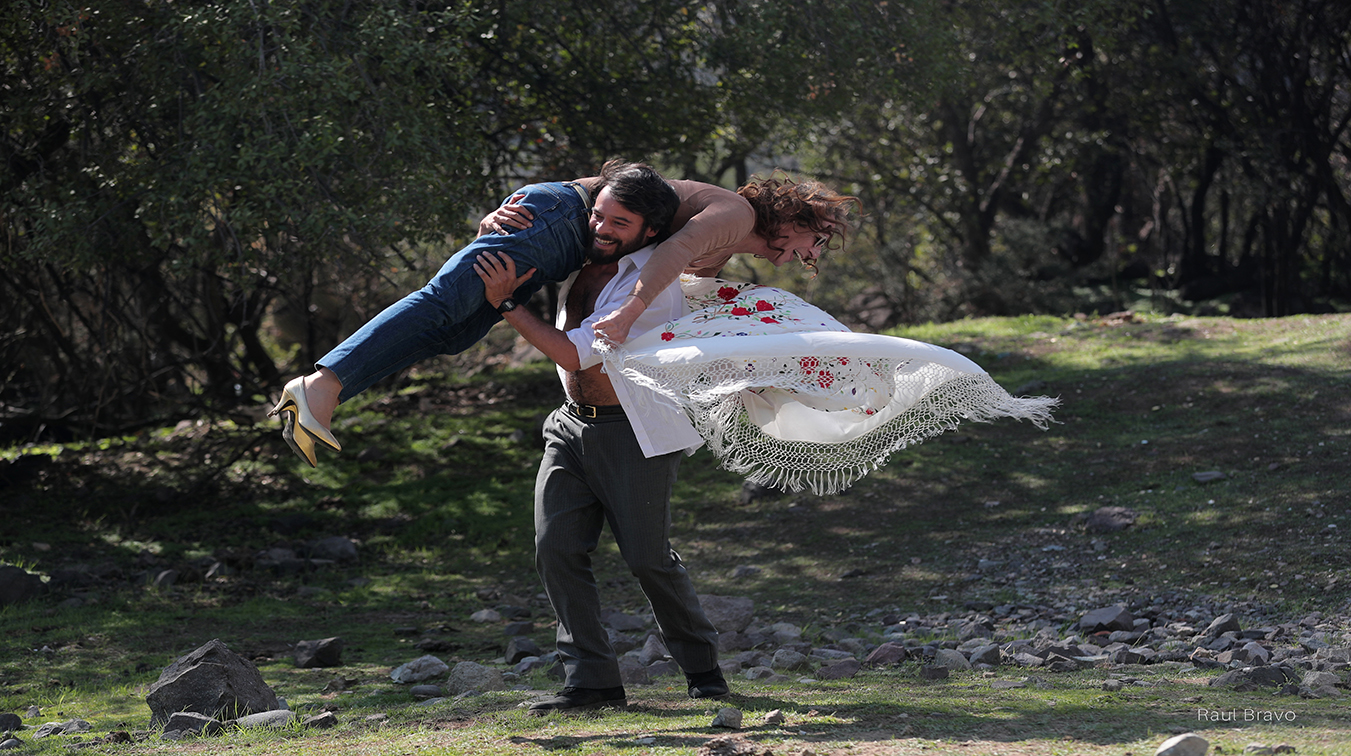
In June the official trailer of Tengo Miedo Torero (My Tender Matador) broke into social media with overwhelming success. The first scenes of Alfredo Castro playing La Loca del Frente with music by Paloma San Basilio in Chile at the end of the '80s, filled with emotion not only the most cinephiles, but also the general public and the followers of the national writer Pedro Lemebel, whose only novel was ready for the big screen. Today, with only eight days until its international premiere at the independent section GIORNATE DEGLI AUTORI of the Venice Film Festival, the trailer has already accumulated more than 211 thousand reproductions, and expectations do not stop growing.
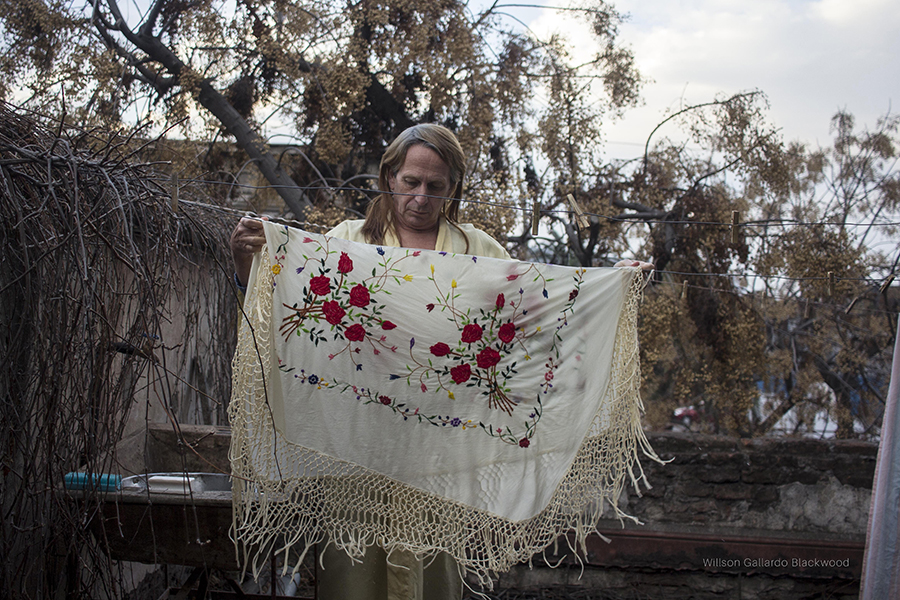
Written and directed by Rodrigo Sepúlveda ( Aurora , Padre Nuestro ) and produced by Forastero (Chile), Tornado (Argentina), Caponeto (Mexico) and Zapik Films (Chile) , the 93-minute film transits between melodrama and political thriller, narrating the love story between the Loca del Frente (Alfredo Castro), a gay man who embroiders tablecloths for military wives, and Carlos (Leonardo Ortizgris), a member of the Manuel Rodríguez Patriotic Front; set - like the book - on the eve of the attack against the dictator Augusto Pinochet that occurred in Santiago in 1986.
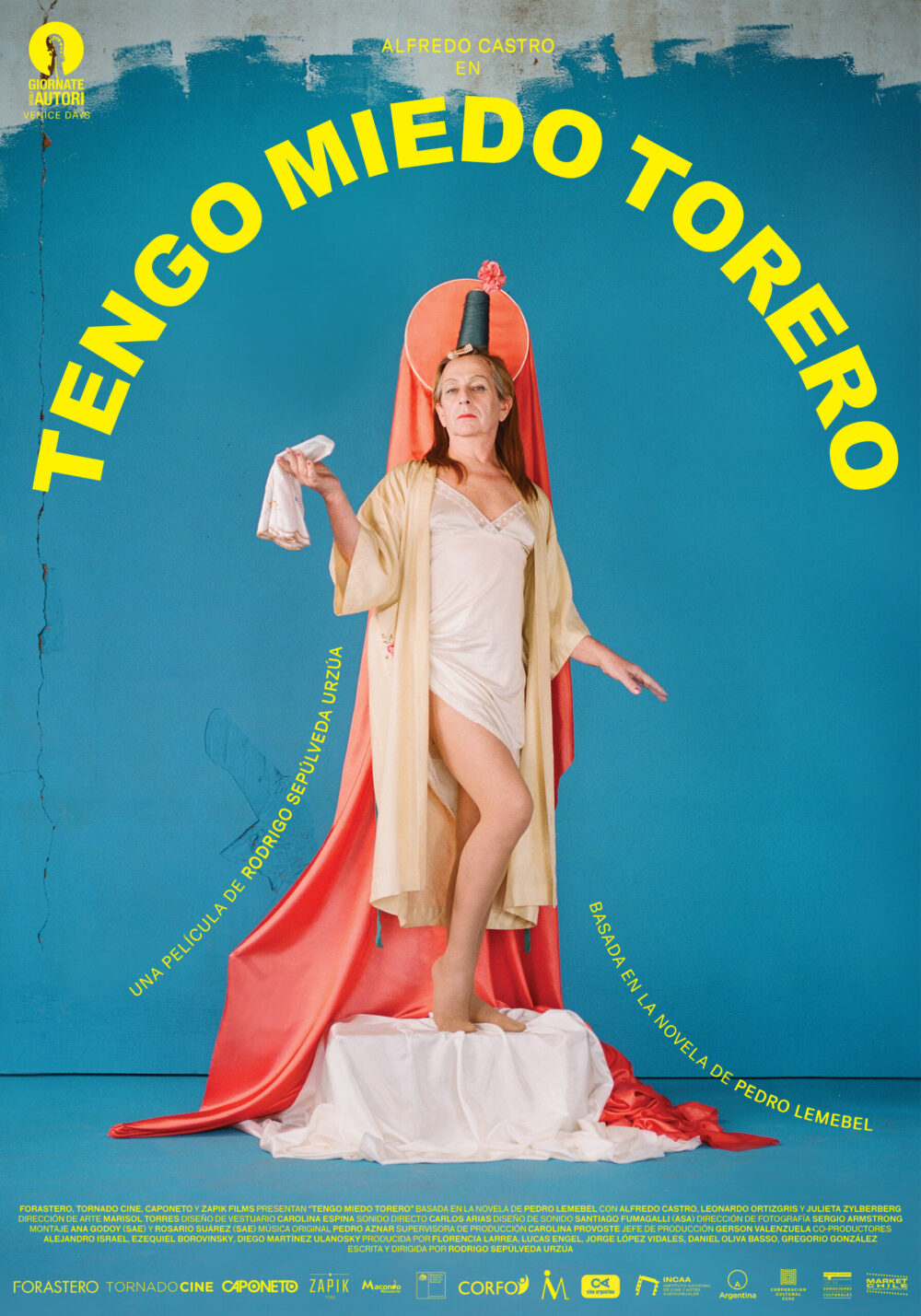 On September 10th, the premiere of My tender Matador in the Giornate degli Autore (Venice Days) section of the Italian festival will take place, and in which Chile will be well represented once more after a very good record: in 2019 our country premiered four works that had a high international impact, visiting various festivals and winning important awards, after their debut in Venice. Blanco en Blanco by Theo Court received the award for Best Director, Sebastián Muñoz's El Príncipe won the Queer Lion award and Ema , by Pablo Larraín received the ARCA and Unimed awards. In addition, the short film Austral Fever by Thomas Woodroffe was applauded in its premiere in the Orizzonti section, which prompted a great trip around the world that has not yet ended.
This year, My tender Matador will be the national representative and will arrive at the independent section of Venice GIORNATE DEGLI AUTORI with a cast led by Castro ( Blanco en Blanco , The club ) together with the talented Leonardo Ortizgris (Mexico), Julieta Zylberberg (Argentina) and the Chileans Luis Gnecco and Amparo Noguera . The film features the work of the musicians Pedro Aznar (in charge of the soundtrack) and Manuel García, and with the photography of the renowned national cinematographer Sergio Armstrong.
LEMEBEL MORE ALIVE THAN EVER
In an interview with CinemaChile, Castro referred to the selection in Venice: “I am tremendously excited with the news. This is the fourth time I am going to Venice, a very generous festival for me. The truth is that Pedro Lemebel 15 years ago asked me to do the Loca del Frente character ; and he would be very glad that I did. With Rodrigo Sepúlveda we have made it possible and I am very happy with this process, with this project, so I invite you to follow us and see what direction this wonderful film takes.”
The director of the film, Rodrigo Sepúlveda stated: “It is always good news that a film begins its journey in such an important place, with as much tradition as Venice. From there, the film (like all of them) has to start walking alone, it has to go to other festivals ... we don't really know how it will be released, in what format and where, but this international premiere in Venice is something not only important, but also very beautiful.”
After the screening in Venice, My Tender Matador will debut for the national public via streaming through Puntoticket. A percentage of the box office will be donated to the Union of Actors and Actresses of Chile (Sidarte) and the National Union of Film and Audiovisual Professionals and Technicians (Sinteci), as a way to provide support to cultural workers in Chile who have been affected by the economic impact of COVID-19.
“Where and how to continue after ( Venice), well ... the borders, the barriers will open and we will discover these new forms. We have a commitment with the team, that the film in Chile is also given to Lemebel's followers: in public places, in squares, in the provinces, where cinema in general, our cinema, does not arrive massively: that this film can be seen in many places, perhaps not in the most traditional ones,” said Sepúlveda.